The Rise of Gesture-Based Interfaces: Swipe, Pinch, and Pull
The Transformation of Interaction
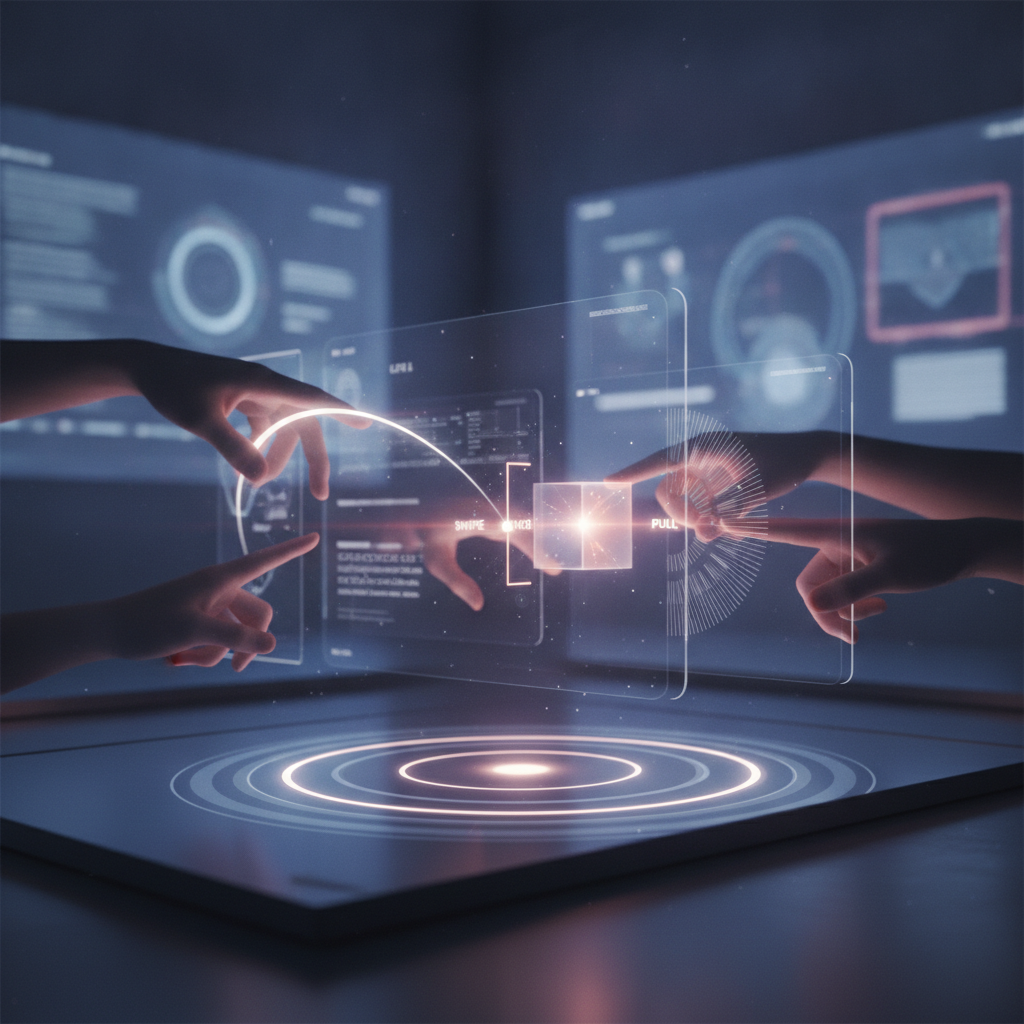
In recent years, the landscape of digital interaction has undergone a remarkable transformation. The advent of gesture-based interfaces has revolutionized how we engage with technology, making our interactions more intuitive and seamless. From smartphones to tablets and even smart TVs, the rise of gestures like swipe, pinch, and pull has fundamentally changed the way we navigate our digital environments.
The Swipe: A Simple Yet Powerful GestureThe swipe gesture has quickly become synonymous with mobile interaction. With just a flick of the finger, users can scroll through pages, switch between apps, or navigate through photo galleries. This simplicity has made it an essential part of our daily digital lives, allowing for quick and efficient navigation.
“The swipe is not just a gesture; it’s a language that speaks to our need for speed and efficiency.”Pinch to Zoom: Enhancing Visual Engagement
Another significant advancement in gesture-based interfaces is the pinch-to-zoom functionality. Ideal for images, maps, and web pages, this gesture allows users to control their viewing experience dynamically. By pinching their fingers together or spreading them apart, users can effortlessly zoom in for detail or zoom out for a broader perspective. This level of control fosters a more engaging and interactive experience, particularly in visual-centric applications.
 The Pull: Bringing Content to the Forefront
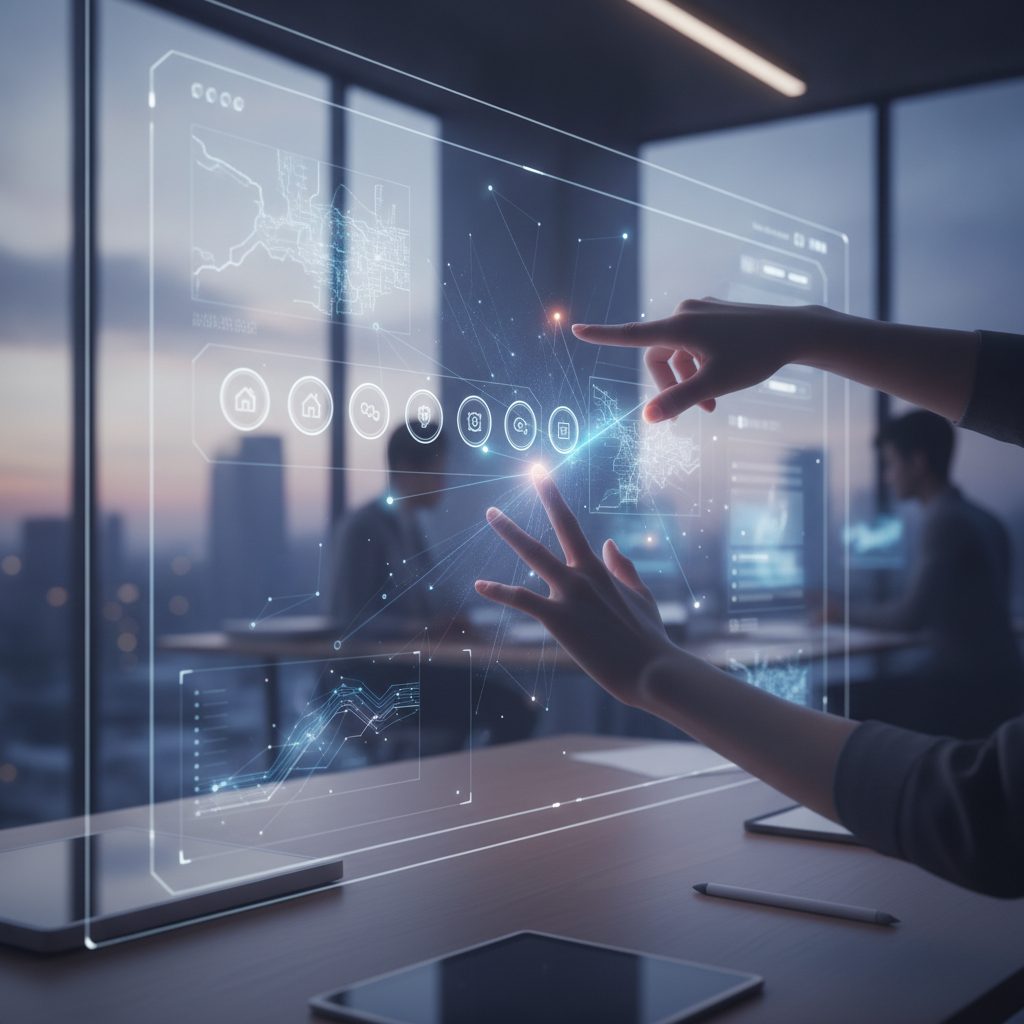
The pull gesture, often used to refresh content or access hidden menus, has also gained traction. This action emphasizes the user's control over their environment, allowing them to trigger actions with a simple movement. The pull-to-refresh feature, for instance, has become ubiquitous in many applications, enhancing user satisfaction through its responsiveness and ease of use.
The Psychological Impact of Gesture-Based Interfaces
The rise of gesture-based interfaces is not just about functionality but also about the psychological implications of interaction. These gestures offer a more natural and tactile way of engaging with technology, making the experience feel more personal. As users swipe, pinch, and pull, they develop a sense of agency and connection with their devices, fostering a more immersive digital experience.
Looking Forward: The Future of InteractionAs technology continues to evolve, the future of gesture-based interfaces looks promising. Innovations in artificial intelligence and machine learning are likely to enhance the recognition and responsiveness of these gestures, making interactions even more fluid and intuitive. This evolution will pave the way for new applications and devices that further integrate gesture recognition into our daily lives.
“The future of interaction lies in gestures, bridging the gap between the digital and physical worlds.”
In conclusion, the rise of gesture-based interfaces represents a significant shift in how we interact with technology. As we continue to embrace these intuitive gestures, we can expect an even more engaging and user-friendly digital landscape in the years to come.