Micro-Interactions: The Tiny Animations That Make Interfaces Feel Alive

Understanding Micro-Interactions
In the world of digital design, micro-interactions refer to the subtle animations and design elements that occur during specific user interactions. These tiny animations play a crucial role in enhancing user experience, making interfaces feel more responsive and engaging. By providing immediate feedback, guiding users, and adding a touch of personality, micro-interactions breathe life into otherwise static interfaces.
The Importance of Micro-Interactions
Micro-interactions are not just decorative elements; they serve functional purposes that improve overall usability. They can guide users through processes, indicate success or errors, and create a seamless flow of interactions. For instance, a simple button change in color or a slight bounce when clicked can provide instant feedback, reassuring users that their action has been recognized. This kind of responsiveness helps to build trust and confidence in the interface.
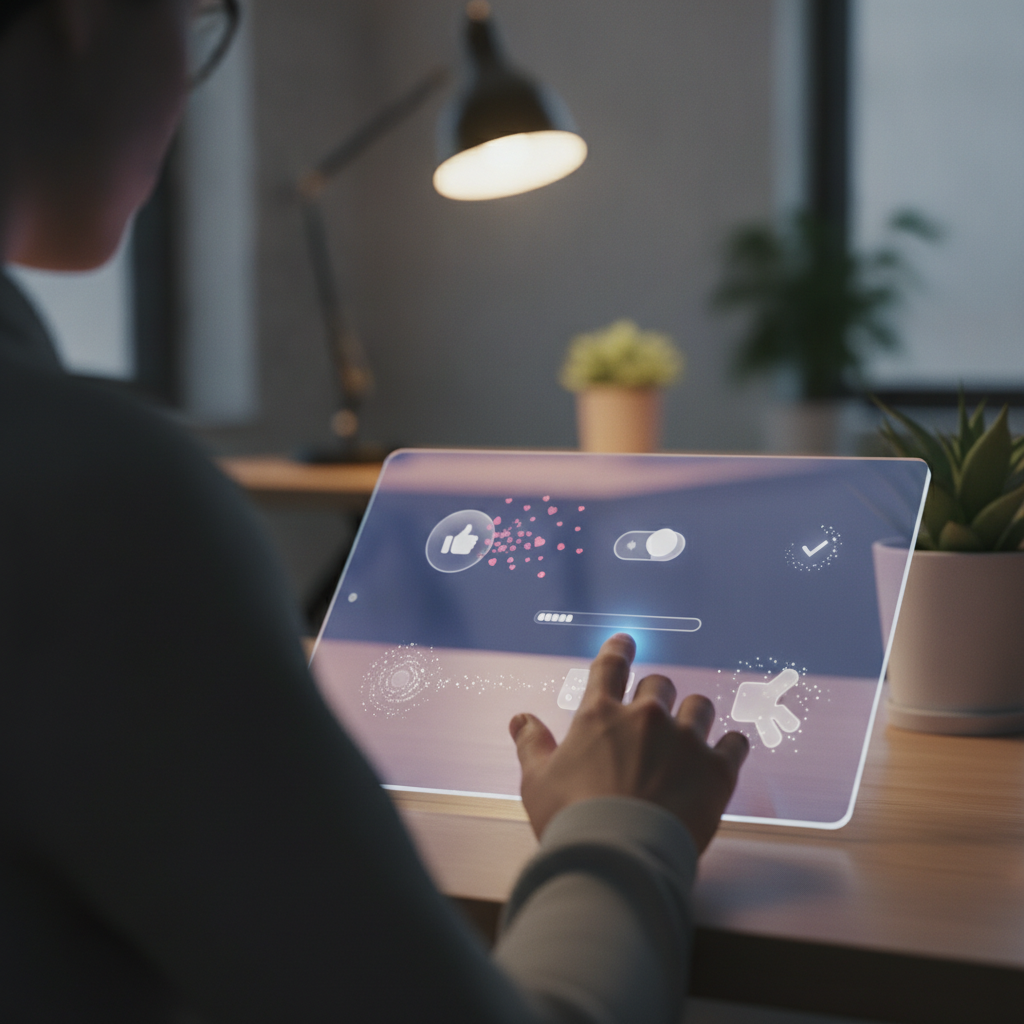
Examples of Effective Micro-Interactions
There are numerous instances where micro-interactions shine through. Consider the following:
1. Loading Indicators: The spinning wheel or bouncing dots during loading times keep users informed that something is happening, reducing frustration.
2. Notifications: Subtle animations when new messages arrive or updates are available draw attention without being intrusive.
3. Toggle Switches: The smooth transition of a toggle switch not only indicates a change in state but also provides a satisfying visual cue.
Designing Micro-Interactions
When designing micro-interactions, it's essential to consider both aesthetics and functionality. The animations should be quick, as prolonged durations can annoy users rather than enhance their experience. Additionally, they should align with the overall design language of the interface to maintain consistency and coherence.
The Future of Micro-Interactions
As technology continues to evolve, so too will the possibilities for micro-interactions. With advancements in artificial intelligence and machine learning, we may see more personalized and context-aware interactions that adapt to user behavior. The future holds exciting possibilities for creating even more dynamic and engaging experiences that keep users coming back.
In summary, micro-interactions are the unsung heroes of interface design. They may be tiny, but their impact on user experience is significant, transforming how we interact with digital products. As designers, embracing these small yet powerful elements can lead to more intuitive and delightful user journeys.