Loading States and Skeleton Screens: Designing for the Wait

Understanding the Importance of Loading States
In today’s fast-paced digital world, users expect instant gratification. However, there are times when a wait is unavoidable, whether it's due to network latency, server processing, or data fetching. This is where loading states come into play, providing users with visual feedback during these periods. A well-designed loading state can significantly enhance user experience by reducing frustration and keeping users engaged while they wait.
The Role of Skeleton Screens
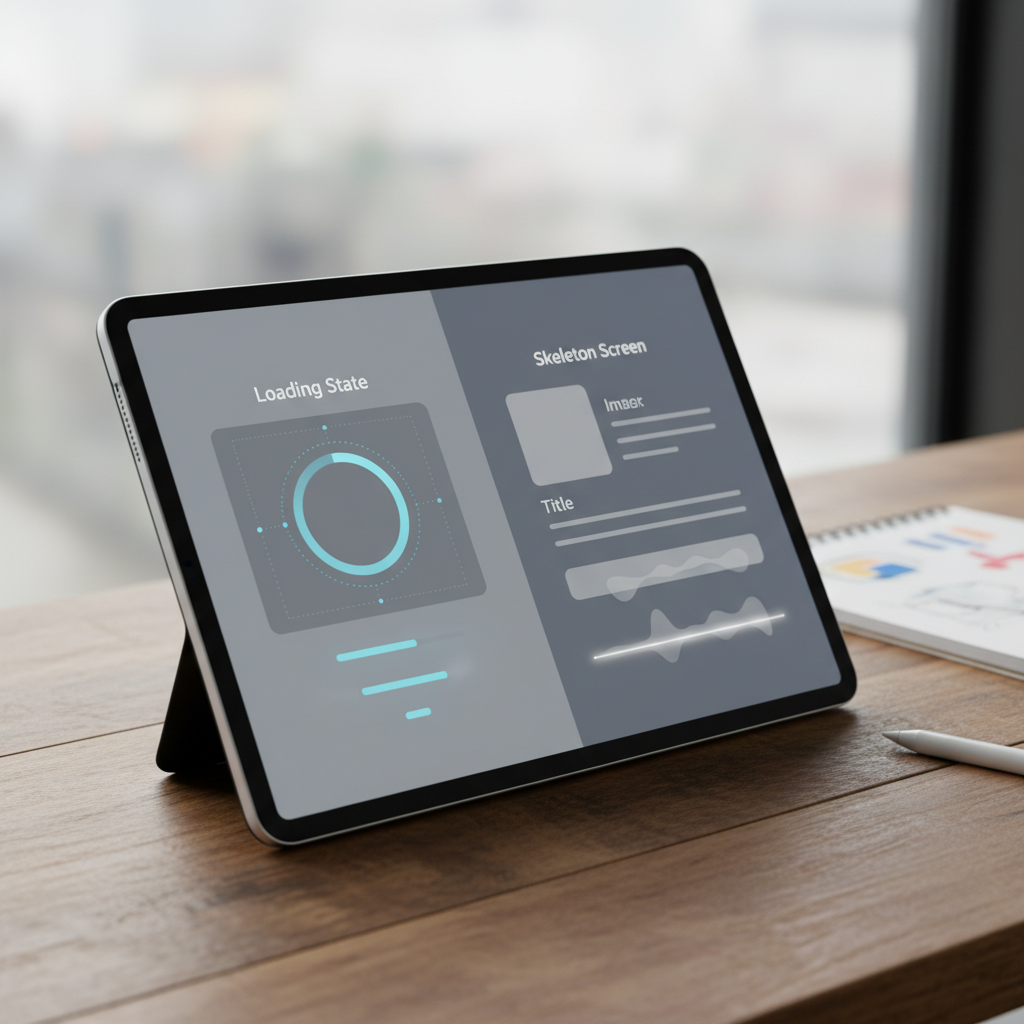
One effective method of indicating loading states is through the use of skeleton screens. Unlike traditional loading indicators, which often use spinners or progress bars, skeleton screens provide a preview of the content that is being loaded. By displaying a simplified version of the layout with gray boxes and lines, users can visualize what to expect, thus minimizing anxiety associated with waiting.
Why Skeleton Screens Work:
- They create a perception of speed, as users feel they are getting closer to their desired content.
- They reduce the "blank screen effect," which can lead to confusion and frustration.
- They maintain the context of the user’s journey, making it easier for them to continue once the content is loaded.
Best Practices for Designing Loading States
To ensure your loading states, including skeleton screens, are effective, consider the following best practices:
1. Maintain Brand Consistency: Adhere to your brand’s color palette and typography. This helps create a cohesive experience.
2. Be Transparent: If a loading state will take a while, consider providing a time estimate or progress indicator to set user expectations.
3. Use Meaningful Content: When displaying skeleton screens, make sure the layout mimics the final content closely, so users can easily recognize what's coming.
4. Keep It Simple: Avoid overly complicated animations or distractions. The goal is to keep the user focused and informed without overwhelming them.
The Future of Loading States
As technology continues to evolve, so will our methods for handling loading states. New techniques, such as lazy loading and progressive rendering, will become more prominent, further enhancing user experience. However, the core principle remains the same: make the waiting period as pleasant and engaging as possible. By investing time in thoughtful design, we can turn what used to be a frustrating experience into an opportunity for connection and anticipation.
In conclusion, loading states and skeleton screens are essential tools in the designer’s arsenal. They serve not just as placeholders, but as integral components of the user journey that can elevate usability and satisfaction. Embrace them, and design for the wait.