AI in Interface Design: What Copilot-Style UI Means for UX
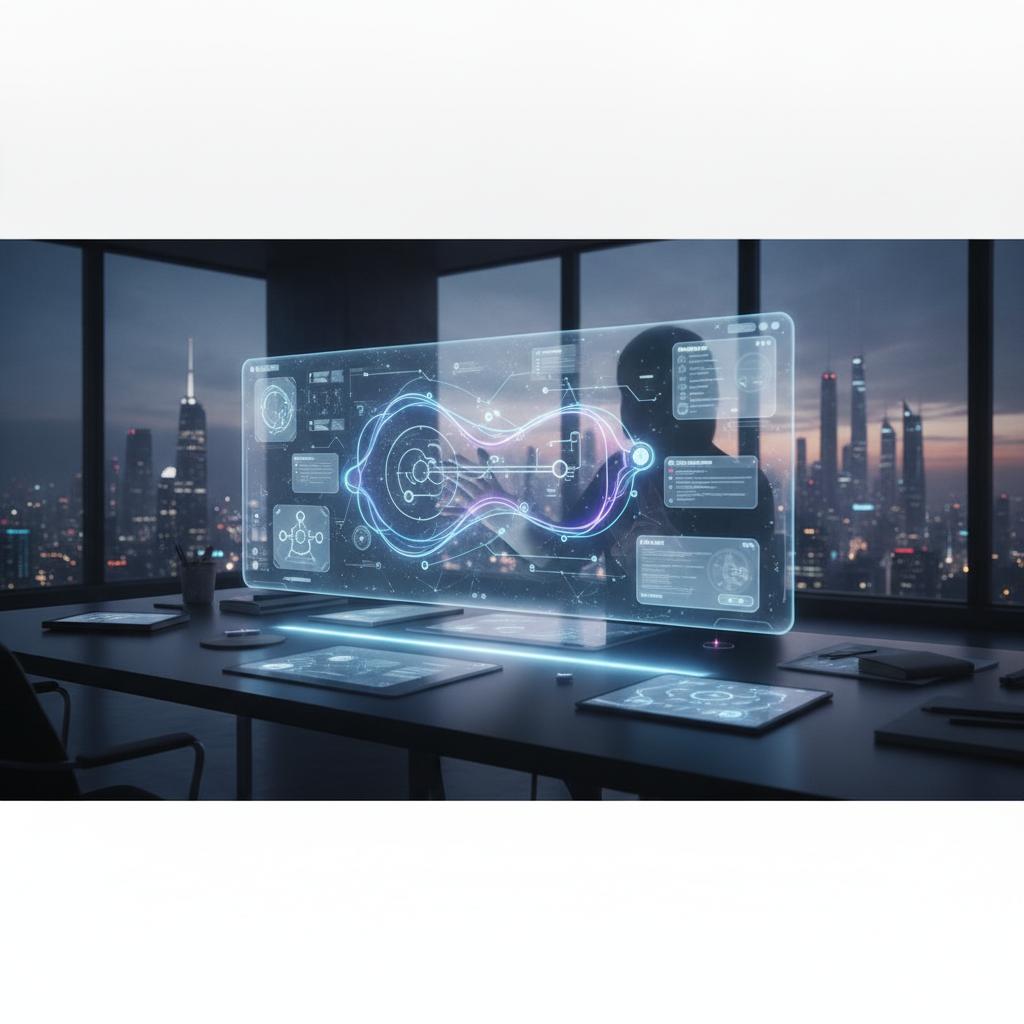
The Rise of AI in Interface Design
In recent years, the integration of artificial intelligence (AI) into interface design has revolutionized the way users interact with technology. One of the most significant advancements in this field is the emergence of copilot-style user interfaces (UI). This innovative approach not only enhances user experience (UX) but also redefines the relationship between humans and machines.
Understanding Copilot-Style UI
Copilot-style UI refers to an interactive design that acts as a collaborator or assistant to the user. It leverages AI algorithms to analyze user behavior, preferences, and contextual information to provide real-time suggestions, automations, and personalized experiences. This means that rather than merely responding to commands, the interface anticipates user needs and proactively supports them in their tasks.
“The future of interface design lies in creating systems that are intuitive and responsive, blending seamlessly with human habits.”
Enhancing User Experience
The benefits of copilot-style UI for UX are profound. By utilizing AI, designers can create systems that reduce cognitive load, streamline workflows, and increase efficiency. For instance, in productivity applications, a copilot interface can suggest next steps based on the user’s previous actions, helping to guide users through complex processes without overwhelming them with information.
 Personalization is Key
One of the critical advantages of AI in interface design is its ability to personalize the user experience. By analyzing user data, AI can tailor suggestions and features to individual preferences, making interfaces more relevant and engaging. This level of customization fosters a deeper connection between users and the technology they use, leading to increased satisfaction and loyalty.
Challenges and Considerations
While the potential benefits of copilot-style UI are promising, there are challenges to consider. Ensuring that AI-driven suggestions are accurate and contextually appropriate is crucial. Misguided recommendations can frustrate users and diminish their trust in the technology. Additionally, designers must balance automation with user control, allowing individuals to override AI suggestions when necessary.
“Successful AI integration is about enhancing the user experience, not replacing human intuition or creativity.”
Conclusion
The incorporation of AI into interface design, particularly through copilot-style UIs, marks a transformative shift in how users interact with technology. By enhancing personalization, reducing cognitive load, and providing real-time assistance, AI-driven interfaces are poised to redefine user experiences. As the technology continues to evolve, designers must remain vigilant in addressing challenges while leveraging the immense potential that AI offers to create intuitive and engaging user interfaces.